
Quick answer
The short version
A standard home inspection is a visual evaluation of accessible systems and components, commonly including the roof, exterior, structure, electrical, plumbing, heating and cooling, insulation, ventilation, and interior. The report explains observed conditions and recommended next steps, but it is not a warranty or a destructive investigation.
The purpose of a buyer’s home inspection
A home inspection gives a buyer a clearer picture of the property before the transaction moves forward. The inspector evaluates visible and accessible conditions on the day of the inspection, documents notable findings, and explains which items may need maintenance, repair, or additional evaluation by a qualified specialist.
The goal is not to produce a list of everything that is imperfect. Homes of every age require upkeep. A useful inspection helps separate routine ownership items from conditions that may affect safety, performance, budgeting, or negotiations.
Major systems and components typically reviewed
Scope varies by property and local standards, but a comprehensive inspection generally follows the home from the site and exterior through the structure, major systems, attic, interior, and attached features.
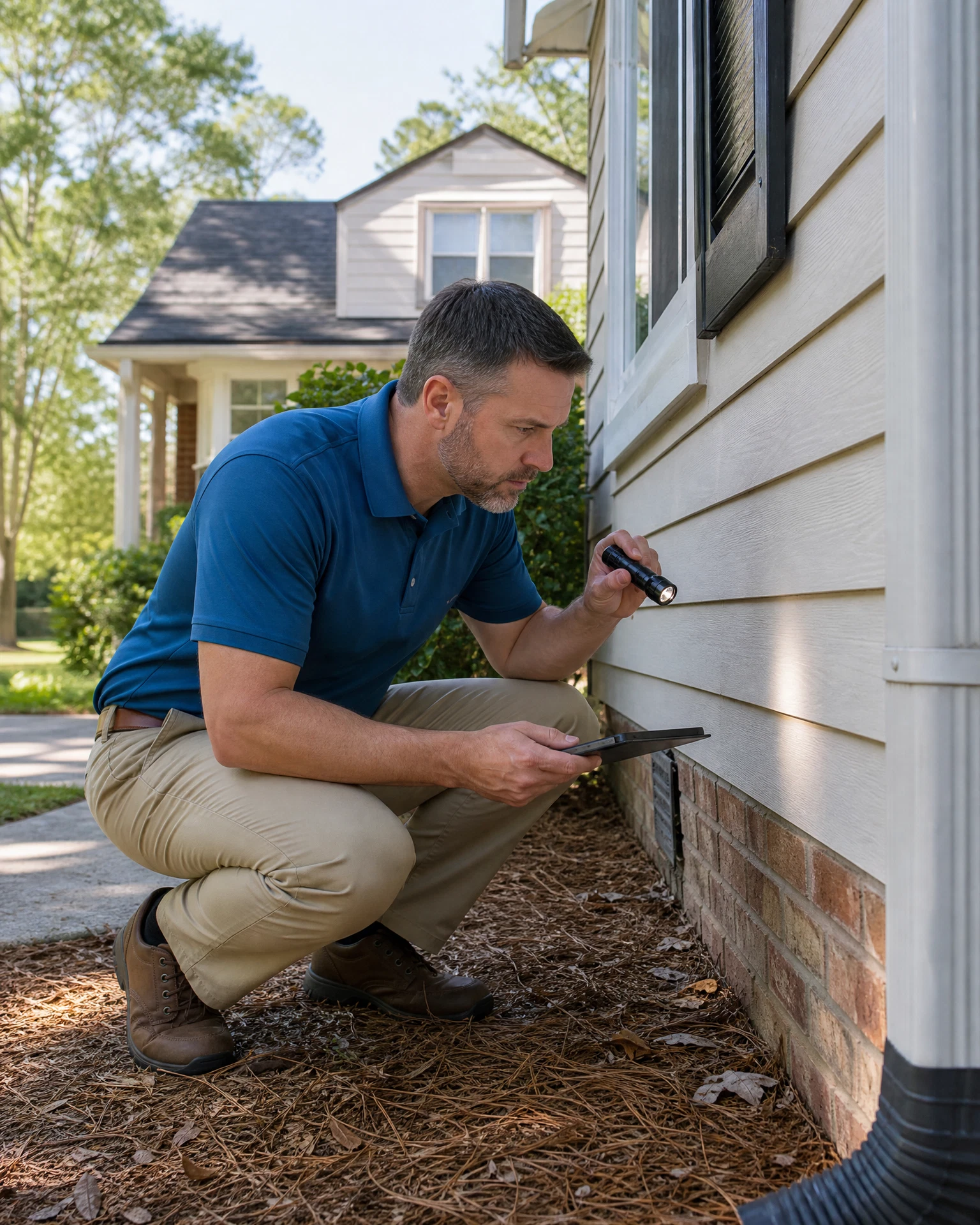
- Roof and exteriorVisible roof coverings, drainage, flashing, siding, trim, windows, doors, decks, porches, grading, and other accessible exterior elements.
- Structure and foundationVisible foundation components, framing indicators, floors, walls, ceilings, and signs that warrant closer specialist review.
- ElectricalService equipment, representative outlets and switches, accessible wiring, fixtures, grounding observations, and common safety concerns.
- PlumbingVisible supply and drain piping, fixtures, water heating equipment, functional flow, drainage, and signs of active or prior leakage.
- Heating and coolingInstalled HVAC equipment, normal operating controls, visible distribution components, filters, and basic performance observations when conditions allow.
- Interior, attic, and insulationAccessible rooms, stairs, doors, windows, built-in appliances, attic framing, insulation, and ventilation conditions.
What may not be included in a standard inspection
A general inspection is visual and non-invasive. Inspectors do not open finished walls, move heavy belongings, or guarantee future performance. Conditions that are concealed, intermittent, inaccessible, or outside the agreed scope may not be discoverable during the appointment.
Specialized services may be appropriate for concerns such as radon, mold sampling, wood-destroying insects, sewer laterals, pools, wells, septic systems, or detailed engineering analysis. Ask which ancillary services are available and which specialists may be needed for the specific property.
Read the inspection agreement before the appointment. It defines the scope, exclusions, and standards that apply to your inspection.
How buyers can prepare for inspection day
If possible, attend at least the final portion of the inspection. Seeing major findings in context can make the written report easier to understand. Bring questions about planned renovations, visible repairs, or systems you do not know how to operate.
After the inspection, read the full report rather than focusing only on the summary. Review repair priorities with your real estate and legal professionals, request specialist estimates where appropriate, and keep the report as a practical maintenance reference after closing.
Choosing the right home inspector
Look for clear communication, professional reporting, relevant credentials, and a scope that matches the property. Ask how long the inspection will take, when the report will be delivered, whether environmental testing is available, and how follow-up questions are handled.
A strong inspector should be able to explain conditions in plain language without minimizing concerns or creating unnecessary alarm. The best outcome is informed confidence: a realistic understanding of the home and a prioritized plan for what comes next.
Common questions
Frequently asked questions
How long does a home inspection take?
Timing depends on the home’s size, age, condition, and included services. Many inspections take several hours, but your inspector can provide a more accurate estimate for the specific property.
Should a buyer attend the home inspection?
Attendance is usually valuable when permitted. It gives the buyer an opportunity to see major findings in context, learn basic system locations, and ask questions before reviewing the final report.
Does a home pass or fail an inspection?
A home inspection generally does not assign a pass-or-fail grade. It documents visible conditions so the buyer can evaluate repairs, maintenance, risk, and next steps with the appropriate professionals.