Quick answer
The short version
After water damage, protect people first, avoid electrical and structural hazards, stop the source only when it is safe, photograph the affected areas, notify the appropriate insurer or property contact, and begin water removal and controlled drying promptly. Sewage, floodwater, and extensive damage call for qualified professional help.
1. Protect people before protecting property
Do not enter an area with standing water if electrical equipment, outlets, or wiring may be energized. Leave the property if there are signs of structural instability, a contaminated water source, a gas odor, or any condition that makes access uncertain.
After a community flood, return only when local authorities say it is safe. Wear appropriate protective clothing around wet materials and avoid direct contact with water that may contain sewage, chemicals, or other contaminants.
2. Stop the water source when it is safe
If the loss comes from a supply line, fixture, appliance, or roof opening and you can reach the control safely, stop the source or arrange an emergency repair. Do not take risks around energized areas, damaged ceilings, or active storm conditions.
The source should be corrected before finish repairs begin. Otherwise, new materials can conceal an unresolved leak and create another cycle of damage.
3. Document the affected areas
Take wide photographs and close-up images before moving contents or removing materials, as long as documentation does not delay an urgent safety action. Note when the loss was discovered, the apparent source, rooms affected, and any steps already taken.
Contact your insurance carrier or property manager as appropriate. Ask what documentation is required and whether the policy includes preferred procedures, but do not allow administrative delays to create an unsafe condition or prevent reasonable emergency mitigation.
4. Begin extraction and controlled drying
Removing standing water is only the first step. Moisture can migrate into flooring assemblies, wall cavities, insulation, cabinetry, and structural materials. Professional moisture measurements help define the affected area and track whether drying is actually progressing.
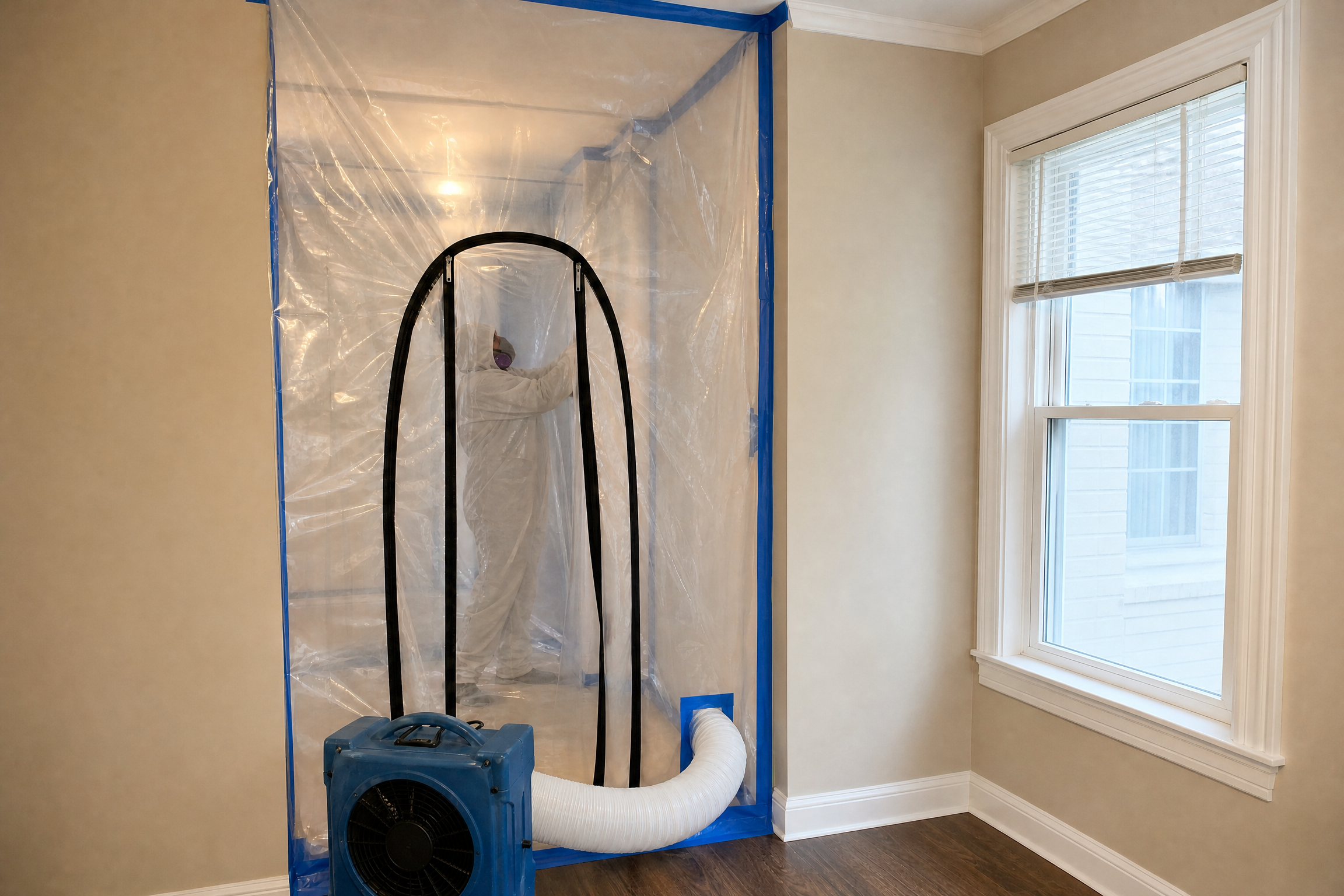
The plan may include extraction, controlled demolition, air movement, dehumidification, cleaning, containment, and repeated moisture checks. Equipment placement and material removal should reflect the water source, affected materials, building conditions, and occupant safety.
Painting, caulking, or installing new finishes does not solve trapped moisture. Confirm that affected assemblies are dry and the source is corrected before reconstruction.
5. Know when professional remediation is appropriate
Professional help is especially important when the water may be contaminated, the affected area is extensive, building systems are involved, materials have remained wet, or occupants have health concerns. The U.S. Environmental Protection Agency advises using a professional experienced with contaminated-water damage when sewage or other contaminated water is involved.
A coordinated team can move from emergency mitigation through cleaning, odor control, reconstruction, and final repairs. That continuity reduces handoffs and helps keep documentation, scope decisions, and scheduling aligned.
Common questions
Frequently asked questions
How quickly should water damage be addressed?
Begin safety measures and reasonable mitigation as soon as conditions allow. The exact drying plan depends on the source, materials, extent of migration, and how long the area has been wet.
Can fans alone dry water-damaged walls and floors?
Not always. Air movement is one part of drying, but hidden moisture, low-permeance materials, insulation, and enclosed assemblies may require dehumidification, removal, or targeted drying based on moisture measurements.
Should wet drywall always be removed?
Removal depends on contamination, material condition, saturation, drying potential, and the construction assembly. A qualified remediation professional can evaluate whether materials can be dried and cleaned or should be removed.